
Essential RV and Glampabout Products
RV travel uses a self-contained vehicle with built-in electrical, plumbing, and sleeping systems. Glampabout camping creates a comfortable campsite using portable equipment such as large inflatable tents, raised beds, heaters, AC power, and mini travel refrigerators.
For a full breakdown of Glampabout setups, see: Glampabout.com →
Portable travel internet
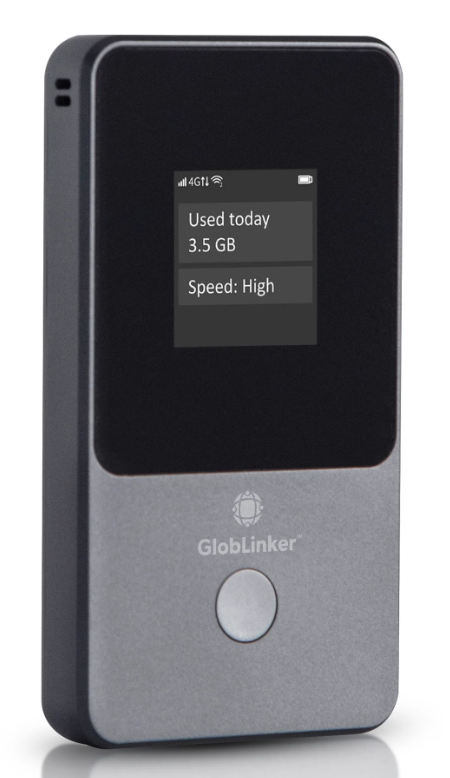
Weak internet can ruin a trip. Campground WiFi may be overloaded, hotel WiFi may be slow, public WiFi may be unsafe, and a phone hotspot is not always the best answer when you need a dependable connection for work, maps, streaming, messages, or multiple devices.
Globlinker is a portable travel WiFi hotspot for RV travelers, glampabouters, road trippers, remote workers, and international travelers who want a simple way to stay connected without depending on campground WiFi, hotel WiFi, public WiFi, or a phone hotspot.
The device creates its own WiFi network using cellular data, with no physical SIM card, no contract, and no required subscription. It is built for travelers who want internet access that goes with them instead of relying on whatever WiFi happens to be available at the next stop. Works worldwide.
- Helps solve weak campground, hotel, and public WiFi problems
- Creates a private WiFi network for phones, laptops, tablets, and travel devices
- No physical SIM card, no contract, and no required subscription
- Useful for RV travel, glampabouting, road trips, remote work, and international travel
RV electrical protection
Electrical hookups at campgrounds vary widely in quality. A dedicated RV surge protector or EMS (electrical management system) helps protect the coach from low voltage, open neutrals, and miswired outlets that can damage appliances or electronics.
- Protects against low voltage and wiring faults
- Helps prevent damage to appliances
- Available for 30-amp and 50-amp systems
Heavy-duty power cords and adapters, often called dogbone adapters, allow RVs to connect to the different pedestal configurations found in campgrounds. Always match cords and adapters to the electrical service rating of the vehicle, usually 30-amp or 50-amp.
RV water connections
Fresh-water hoses designed for drinking water are commonly used to connect RV plumbing systems to campground spigots. These hoses are built for potable water and help keep the onboard water system cleaner than ordinary garden hoses.
- Safe for potable water use
- Flexible and durable
- Designed for RV connections
Because campground pressure can vary dramatically, many RV travelers use a pressure regulator to protect plumbing components. Adjustable regulators with gauges allow pressure to be set to levels recommended by the RV manufacturer.
RV Water Pressure Regulators →
RV leveling and setup
Leveling blocks and wheel chocks stabilize the vehicle after parking. A level coach improves comfort and also allows certain equipment such as absorption refrigerators to operate correctly.
- Stabilizes RV on uneven ground
- Improves appliance performance
- Quick setup and breakdown
Many travelers also keep a small toolkit, flashlight, and work gloves readily accessible when arriving at a campsite. These simple items often become the first tools needed during setup.
RV waste systems
Durable sewer hoses with tight fittings, clear elbow connectors, and hose supports allow waste tanks to be emptied efficiently at dump stations. Keeping sewer equipment separate from fresh-water gear helps maintain sanitary handling practices.
- Secure fittings and leak-resistant design
- Clear connectors for monitoring flow
- Easy storage and handling
Glampabouting
Glampabout camping centers on portable shelter that provides much more space and comfort than traditional tent camping. Large inflatable tents can be set up quickly and create standing-height living areas suitable for extended stays.
- Fast setup compared to traditional tents
- Large interior space
- Suitable for extended stays
Raised air beds or inflatable sleeping platforms replace thin sleeping pads and provide a stable sleeping surface more similar to a home bedroom.
Glampabout AC power
Unlike lightweight backpacking setups, Glampabout camping typically uses standard AC-powered equipment. Electric heaters, lighting, inflation pumps, and small appliances such as mini travel refrigerators all rely on dependable 120-volt power.
- Provides AC outlets at campsites
- Supports small appliances
- Rechargeable and portable
This power may come from campground electrical hookups, portable power stations with AC outlets, or small generators. With reliable power available, a Glampabout campsite can support many of the conveniences normally associated with indoor living.
Putting it together
RV travel and Glampabout camping represent two approaches to creating a comfortable temporary home while traveling. RV systems focus on the built-in infrastructure of the vehicle. Glampabout systems rely on portable shelter, sleeping comfort, and dependable AC power for small appliances.
The gear listed here covers the basic equipment commonly used for RV travel and for Glampabout campsites.
- RV surge protectors and electrical management systems
- RV drinking-water hoses and pressure regulators
- Leveling blocks and wheel chocks
- RV sewer hose kits and fittings
- Large inflatable Glampabout tents
- Raised camping beds and sleeping systems
- Portable AC power stations or generators
- Mini travel refrigerators and campsite appliances

As an Amazon Associate I earn from qualifying purchases.